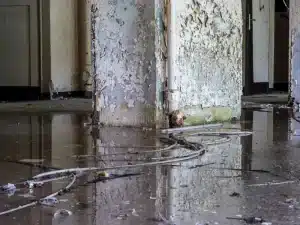
At Cinergy Restoration, we know how overwhelming water damage can be. Whether it’s from a burst pipe, heavy rainfall, or a sneaky roof leak, water has a way of creeping in and causing trouble when you least expect it. The tricky part? A lot of water damage hides in plain sight, or worse, stays hidden until it becomes a major (and expensive) issue.
Knowing the warning signs early can save your property, your wallet, and your peace of mind. Let’s walk through some of the most common signs of water damage, how to spot them, and why acting fast matters.
Key Takeaways
- Ceiling stains or discoloration often signal hidden leaks.
- Musty smells indicate trapped moisture and potential mold.
- Bubbling or peeling paint is a common result of wet drywall or wood.
- Warped floors or soft spots are signs of moisture beneath the surface.
- Mold growth is a serious health and property concern, and should be addressed immediately.
- Sagging ceilings or walls can mean pooled water and risk of collapse.
- Dripping sounds or leaks are early signs of plumbing issues.
- High water bills may point to hidden leaks in your plumbing system.
- Cracks in the foundation can be caused by long-term water intrusion.
- Excess humidity or condensation suggests indoor moisture issues.
- Rust or corrosion on plumbing or appliances signals water exposure.
Discoloration and Stains
Water damage often shows up as brown, yellow, or dark spots on ceilings, walls, or even floors. These stains might look like minor cosmetic blemishes at first, but they’re usually a red flag for a leak behind the surface. If the spots continue to grow, darken, or reappear after you’ve tried to paint over them, it’s time to investigate further.
Where to look:
- Ceiling corners and around light fixtures
- Along baseboards and floor edges
- Beneath windows and near doors
Musty or Damp Smells
One of the most obvious signs of water damage isn’t something you can see, it’s something you smell. If you catch a persistent, musty odor in certain parts of your home or building, it could indicate hidden moisture and the beginning stages of mold growth.
Trust your nose. Even if the walls look clean, a musty smell means moisture might be trapped behind drywall, under flooring, or inside cabinets. These smells don’t go away on their own and usually get stronger with time.
Peeling, Bubbling, or Cracking Paint
When drywall or wood absorbs moisture, it can warp or expand. That causes paint and wallpaper to bubble, peel, or crack. You might also notice a bumpy or wavy texture in affected areas. While humidity can also cause paint to peel, localized areas of damage typically suggest there’s water somewhere it shouldn’t be.
Common areas affected:
- Around bathroom fixtures
- Below leaking windows
- Near water heaters or laundry appliances
Warped or Buckling Floors
Hardwood, laminate, and vinyl flooring are especially sensitive to water. If you notice any sections of your floor looking “off” (for example, warped boards, lifted tiles, or spongy spots) it could be a sign of water damage underneath. Carpets may feel damp or develop moldy odors if the padding is holding moisture.
Don’t ignore these symptoms. The longer you wait, the more the flooring structure and subfloor can deteriorate, often requiring complete replacement.
Mold Growth
Mold is one of the most dangerous signs of untreated water damage. It thrives in moist, dark environments and can begin growing in as little as 24 to 48 hours after exposure to moisture.
You might see mold as fuzzy patches or specks in corners, around vents, on ceilings, or behind furniture. It can be black, green, white, or even pink, and it often spreads rapidly if the moisture source isn’t addressed.
Why it matters:
Beyond property damage, mold can trigger respiratory problems, allergies, and other health issues, especially for those with asthma or weakened immune systems.

Sagging Ceilings or Walls
If any part of your ceiling looks like it’s bowing or sagging, that’s a serious indicator of water pooling behind the surface. Left alone, that moisture can cause ceilings to collapse or walls to crack, creating a hazardous situation.
This kind of damage is common after a roof leak or when upstairs plumbing has an issue. It’s not just cosmetic, it’s structural.
Dripping Sounds or Visible Leaks
Sometimes, you can hear water damage before you see it. Dripping, trickling, or gurgling sounds behind walls or under floors can signal a slow leak in your pipes. If you notice water stains shortly after hearing these sounds, that’s a pretty clear confirmation.
Visible leaks should be handled immediately, even if they seem small. A slow drip today can become a major problem tomorrow.
Sudden Increase in Utility Bills
Have your water bills gone up without an obvious reason? That could point to a hidden leak somewhere in your plumbing. It’s one of the less obvious warning signs, but one that many of our clients at Cinergy Restoration initially overlook.
If your usage hasn’t changed but your bills have, it’s worth investigating. Even a small pipe leak can waste hundreds of gallons over time.
Cracks in Foundation or Walls
While small cracks are common in aging buildings, widening or spreading cracks can suggest that water is infiltrating from the outside, especially near the base of your foundation. Water seeping into your foundation can lead to serious structural problems, like shifting or sinking.
Basements are particularly prone to this kind of damage, especially in areas with poor drainage or during heavy rains.
Condensation and Humidity
If your windows constantly have condensation or you notice high humidity levels indoors, there may be excess moisture lingering in your space. This could be due to a leak or poor ventilation, both of which create ideal conditions for mold and water damage.
Excess humidity can also warp wood, damage insulation, and deteriorate building materials over time.
Rust and Corrosion
Check for rust around water heaters, plumbing fixtures, HVAC units, and exposed metal pipes. Corrosion is a telltale sign that water is present where it shouldn’t be. It’s not just a cosmetic concern. Rust weakens metal and can eventually lead to pipe failure or equipment breakdown.
Why Early Detection Matters
The sooner you recognize the signs of water damage, the easier (and less expensive) the restoration process will be. At Cinergy Restoration, we’ve seen firsthand how fast water damage can escalate from a simple leak to full-blown structural damage or dangerous mold infestations.
By catching these red flags early, you can avoid major repairs, preserve your property’s value, and protect your health. Water damage doesn’t go away on its own. Without proper drying, cleanup, and restoration, the problem will only get worse over time.
Trust Cinergy Restoration to Help
At Cinergy Restoration, we’re more than just a cleanup crew. We’re your go-to partner for professional water damage inspection, water removal, drying, and full-service restoration. Whether you’re dealing with a burst pipe, storm flooding, or mystery moisture in your walls, we’ve got the tools, experience, and know-how to get your property back to normal fast.
We’ll inspect your space thoroughly, identify the source of the issue, and walk you through every step of the restoration process. From start to finish, our team makes it easy and stress-free.
Don’t Wait. Act Now.
If you’ve spotted any of the signs of water damage we’ve talked about, or if you just have a hunch something’s not quite right, don’t wait. Call Cinergy Restoration today for a thorough assessment. The faster you act, the better the outcome.
Water damage doesn’t wait. Neither should you. Call us now to get started with the restoration process.